
Allied Health and Medical Assisting Services at Columbus State
Earn your Allied Health and Medical Assisting Services degree at Columbus State in two years. Call (877)-218-7081 for guidance on enrollment and financial aid.

By Ryan Taylor
Columbus State Community College offers an Associate of Applied Science degree in Allied Health and Medical Assisting Services, Other, a program designed for students who want to enter the healthcare workforce quickly and with confidence. This in-person, two-year pathway blends clinical skills, administrative training, and real-world externships, preparing graduates for roles in physicians' offices, clinics, hospitals, and other healthcare settings. If you are exploring healthcare careers that do not require a four-year degree, this program deserves a close look.
Medical assisting is one of the fastest-growing occupations in the United States, and employers consistently seek graduates who have hands-on training and recognized credentials. Columbus State's program stands out because it combines classroom instruction with supervised clinical experience, and it is designed to meet the standards of accrediting bodies. Whether you are a recent high school graduate, a career changer, or a working adult seeking a stable and rewarding profession, this degree offers a structured path to employment. Below, we break down the curriculum, admission steps, costs, career outcomes, and how this program fits into the broader landscape of allied health education.
What This Allied Health and Medical Assisting Services Program Covers
The Associate of Applied Science in Allied Health and Medical Assisting Services, Other at Columbus State Community College is a two-year, in-person program that prepares students for entry-level positions as medical assistants. The curriculum typically includes courses in medical terminology, anatomy and physiology, clinical procedures, pharmacology, medical office administration, and electronic health records. Students learn to perform both clinical and administrative tasks, such as taking vital signs, drawing blood, administering injections, scheduling appointments, and managing patient records.
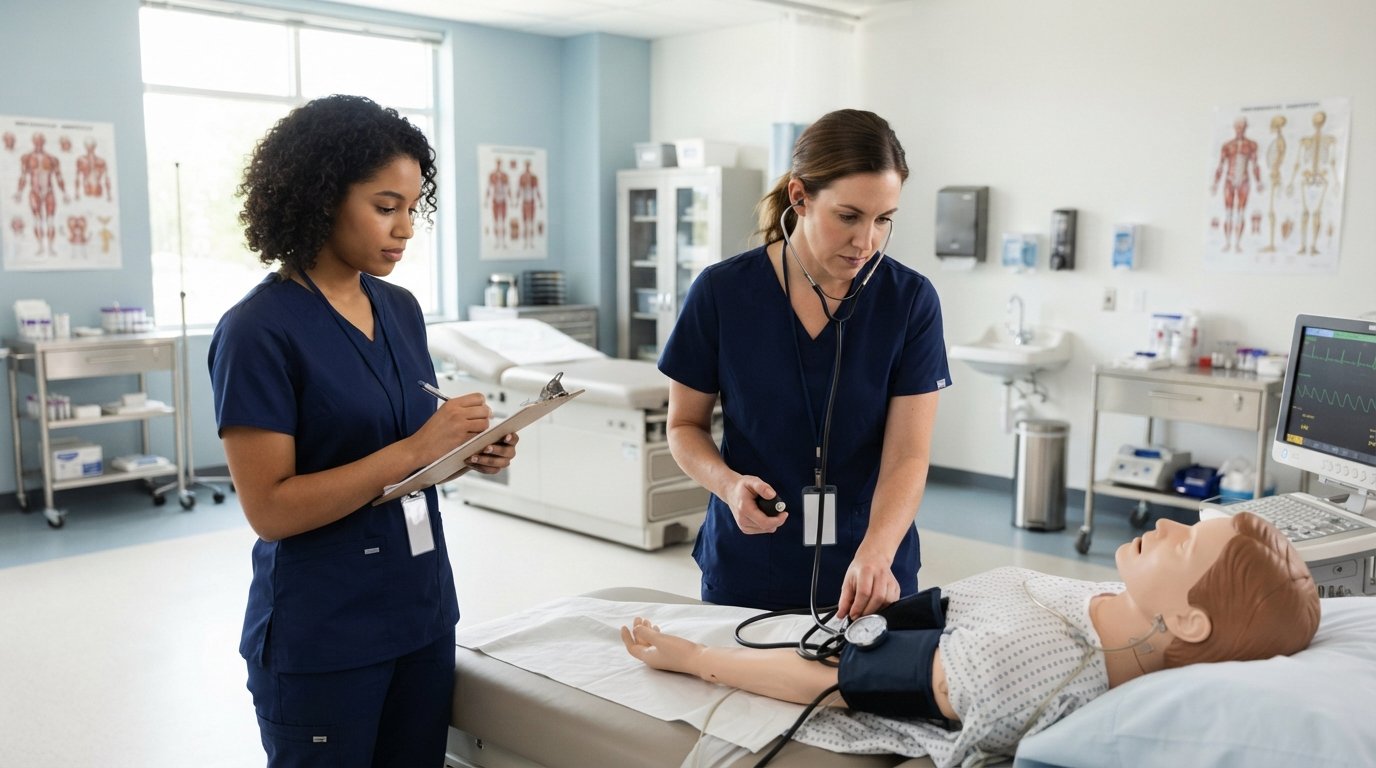
One of the defining features of this program is its emphasis on hands-on learning. Students practice in simulated labs and then complete an externship in a real healthcare facility, where they apply their skills under the supervision of experienced professionals. This practical experience is invaluable, as it allows students to build confidence and make professional connections before they graduate. The program also prepares students to sit for national certification exams, such as the Certified Medical Assistant (CMA) or Registered Medical Assistant (RMA) credentials, which many employers prefer or require.
Because the degree is classified as "Other" in the Allied Health and Medical Assisting Services category, it may offer a broader or more specialized curriculum than a standard medical assisting program. Students should review the official course catalog to see the exact requirements, but generally, the program includes a mix of general education courses (English, math, psychology) and core professional courses. This balance ensures that graduates are not only technically skilled but also able to communicate effectively and think critically in a healthcare environment.
Admission Requirements and How to Apply
Admission to the Allied Health and Medical Assisting Services program at Columbus State is competitive but straightforward. Prospective students must first apply to the college and meet general admission requirements, which typically include a high school diploma or GED. Some programs may require placement testing in math and English, or completion of developmental courses. It is important to check the specific prerequisites for the medical assisting program, as they may include a background check, immunizations, and CPR certification before the clinical portion begins.
Here is a general overview of the steps to apply:
- Submit an online application to Columbus State Community College.
- Provide official high school transcripts or GED scores.
- Complete placement testing or submit ACT/SAT scores if available.
- Meet with an academic advisor to review program requirements and create a plan.
- Complete any additional program-specific requirements, such as a health form or background check.
Because the program is in-person and has limited seats, early application is encouraged. Students should also explore financial aid options and scholarships. For a deeper dive into what this degree entails, you can read our guide on What Is an Associate Degree in Medical Assisting, which covers the basics of the credential and its value in the job market.
Columbus State also offers support services for veterans, working adults, and students who need flexible scheduling. While the program itself is in-person, some general education courses may be available online or in hybrid formats, which can help students balance work and family commitments. It is advisable to speak with an advisor to understand all available options.
Costs, Financial Aid, and Affordability
Tuition for in-state students at Columbus State Community College is significantly lower than at many four-year institutions, making the allied health and medical assisting degree an affordable option. However, students should also budget for textbooks, uniforms, lab fees, certification exam fees, and transportation to clinical sites. Out-of-state students pay higher tuition, so it is important to check residency requirements and explore whether you qualify for in-state rates.
Financial aid is available in the form of federal grants, loans, work-study, and scholarships. The Free Application for Federal Student Aid (FAFSA) is the primary application for most aid programs. Columbus State's financial aid office can help students navigate the process and identify additional funding sources, including scholarships for healthcare students. For students concerned about the overall cost of higher education, resources like CollegeAndTuition provide valuable guidance on planning and paying for college.
It is also worth noting that many employers offer tuition reimbursement or continuing education benefits. Some healthcare facilities partner with Columbus State to provide clinical placements and may hire students upon graduation, sometimes with sign-on bonuses or loan repayment assistance. Students should inquire about these opportunities during their externship or job search.
Career Outcomes and Job Outlook
Graduates of the Allied Health and Medical Assisting Services program are prepared for a variety of entry-level positions. Common job titles include medical assistant, clinical assistant, administrative medical assistant, and patient care coordinator. Work settings include private physician practices, outpatient clinics, hospitals, urgent care centers, nursing homes, and community health centers. According to the U.S. Bureau of Labor Statistics, employment of medical assistants is projected to grow much faster than the average for all occupations over the next decade, driven by an aging population and increased demand for preventive care.
Certification can enhance job prospects and earning potential. While not always required, many employers prefer to hire certified medical assistants. Columbus State's program is designed to prepare students for certification exams, and graduates often pursue the CMA or RMA credential. Additionally, students may choose to continue their education and earn a bachelor's degree in healthcare administration, nursing, or a related field, which can lead to advancement opportunities.
Salary expectations vary by location, experience, and certification. In Ohio, medical assistants typically earn an hourly wage that is competitive with other entry-level healthcare roles. With experience and additional certifications, earnings can increase. The combination of low tuition, high demand, and relatively quick entry into the workforce makes this degree a strong return on investment for many students.
Why Choose Columbus State Community College
Columbus State is one of the largest community colleges in Ohio and has a strong reputation for health sciences education. The college's faculty includes experienced healthcare professionals who bring real-world knowledge into the classroom. Small class sizes and hands-on labs ensure that students receive personalized attention and ample practice time. The college also has partnerships with local healthcare providers, which can facilitate externship placements and job opportunities after graduation.
Another advantage is the college's commitment to student success. Columbus State offers tutoring, advising, career services, and a dedicated office for students with disabilities. The campus is accessible by public transportation, and there are options for childcare and food assistance for eligible students. These support services can make a significant difference for students who are balancing education with work and family responsibilities.
Furthermore, the program's accreditation ensures that graduates are eligible for certification exams and that the curriculum meets industry standards. Prospective students should verify the accreditation status of the program they are considering, as this can affect eligibility for credentials and transferability of credits. Columbus State's program is accredited by the appropriate regional and specialized accrediting bodies.
Comparing This Program to Other Allied Health Options
Allied health encompasses a wide range of professions, including medical assisting, phlebotomy, radiologic technology, respiratory therapy, and surgical technology. Each field has its own educational requirements, scope of practice, and career outlook. The Allied Health and Medical Assisting Services, Other Associate's degree at Columbus State is unique because it offers a broad foundation that can be applied to multiple entry-level roles, rather than focusing on a single narrow skill set.
Students who are unsure about which allied health career to pursue may find this program appealing because it provides exposure to various clinical and administrative tasks. However, those who already know they want to specialize in a specific area, such as radiography, may prefer a dedicated program in that field. It is important to research the job duties, salary, and advancement opportunities of each option before committing to a program.
For students who ultimately want to earn a bachelor's degree, Columbus State's program can serve as a stepping stone. Many four-year institutions accept transfer credits from accredited community college programs, allowing graduates to continue their education with junior standing. This can be a cost-effective way to earn a higher degree while minimizing student debt.
Preparing for Success in the Program
Success in the Allied Health and Medical Assisting Services program requires dedication, strong communication skills, and a genuine interest in helping others. Students should be prepared for a rigorous curriculum that includes both classroom learning and clinical practice. Time management is essential, especially for those who work or have family obligations. Forming study groups, seeking tutoring when needed, and maintaining open communication with instructors can help students stay on track.
Professionalism is also critical in healthcare. Students are expected to adhere to dress codes, maintain confidentiality, and demonstrate ethical behavior at all times. These habits will carry over into the workplace and help graduates build a positive reputation. Networking with peers, instructors, and clinical supervisors can lead to job leads and mentorship opportunities.
Finally, students should take advantage of the college's career services to prepare their resumes, practice interview skills, and connect with employers. Many healthcare organizations recruit directly from Columbus State, so attending job fairs and information sessions can give students a competitive edge.
Earning an Allied Health and Medical Assisting Services, Other Associate's degree from Columbus State Community College is a practical and rewarding way to launch a career in healthcare. With a two-year, in-person format, hands-on training, and strong job prospects, this program offers a clear pathway to employment and further education. By understanding the curriculum, costs, and career outcomes, prospective students can make an informed decision that aligns with their goals and circumstances.