
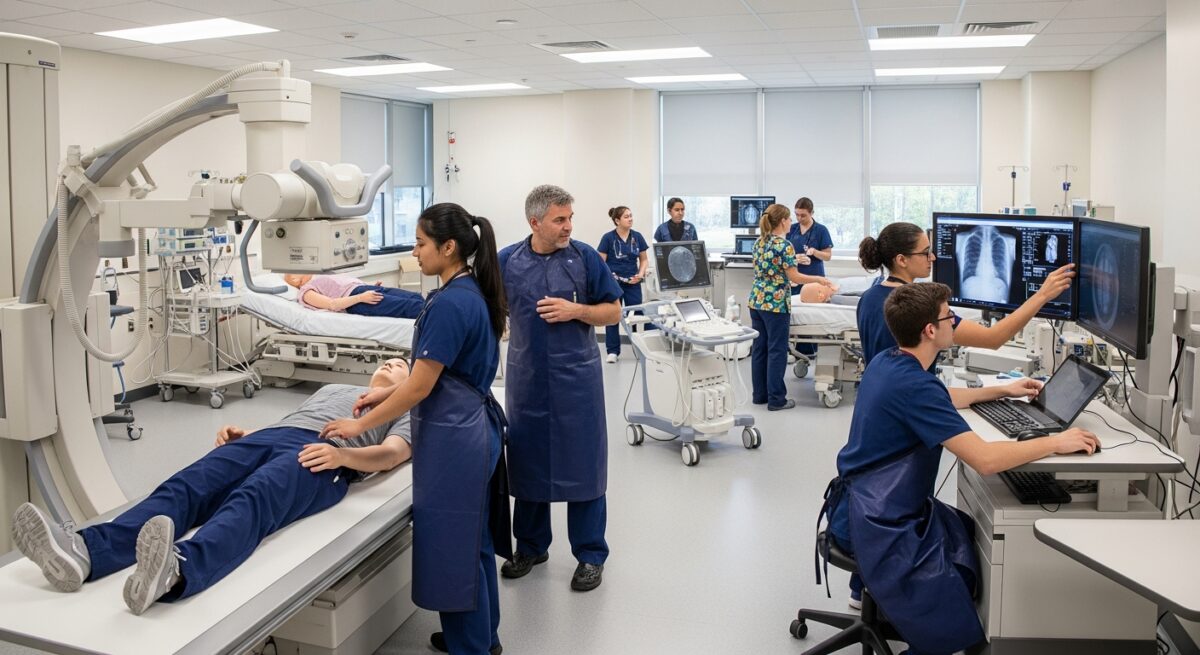
Medical imaging is a cornerstone of modern healthcare, and the professionals who operate the equipment are in high demand. If you are looking for a stable, well-paying career that combines technology with patient care, exploring radiology tech degree programs and career paths is an excellent place to start. The journey from student to certified radiologic technologist is structured and rewarding, offering multiple entry points and specializations that can shape a lifelong profession.
What Is a Radiology Tech and What Do They Do?
A radiology tech, formally known as a radiologic technologist, is the healthcare professional responsible for performing diagnostic imaging examinations. These exams include X-rays, computed tomography (CT) scans, mammograms, and magnetic resonance imaging (MRI). The tech positions patients, operates the imaging equipment, and ensures that the resulting images are clear enough for a radiologist to interpret. Beyond technical skill, the role requires strong communication and empathy, as patients are often anxious or in pain.
The work environment is fast-paced and typically takes place in hospitals, outpatient imaging centers, and physician offices. Technologists must follow strict safety protocols to minimize radiation exposure for themselves and their patients. This career demands precision, physical stamina, and the ability to think critically under pressure. Because imaging technology evolves rapidly, continuous learning is a core part of the job.
Exploring Radiology Tech Degree Programs
Choosing the right educational path is the first major decision for aspiring technologists. Radiology tech degree programs vary in length, cost, and depth of training. The most common routes are the associate degree and the bachelor’s degree, though certificate programs exist for those who already hold a healthcare credential.
Associate Degree in Radiologic Technology
The associate degree is the most popular entry point. Most programs take about two years to complete and are offered at community colleges and some technical schools. The curriculum blends classroom instruction in anatomy, patient care, radiation physics, and image evaluation with hands-on clinical rotations. Graduates are eligible to sit for the American Registry of Radiologic Technologists (ARRT) certification exam. This path is cost-effective and gets you into the workforce quickly, making it ideal for career changers or those who want to minimize student debt.
Bachelor’s Degree in Radiologic Sciences
A bachelor’s degree typically takes four years and provides a broader education. In addition to radiologic technology coursework, students take advanced classes in management, education, and advanced imaging modalities. This degree is often required for supervisory roles, teaching positions, or specialization in modalities like MRI or CT. Some bachelor’s programs are designed as degree-completion programs for associate degree holders, allowing them to upgrade their credential in two additional years of part-time or online study.
For students who need flexibility, many accredited institutions offer online or hybrid options. If you are balancing work or family obligations, exploring Accelerated Degree Programs: Fast-Track Your Career Path Explained can help you identify options that fit your schedule. These programs often compress the timeline without sacrificing clinical hours.
Certificate Programs for Advanced Modalities
After earning initial certification, technologists often pursue post-primary certificates in specialized areas such as mammography, sonography, or cardiovascular-interventional radiography. These programs range from a few months to a year and are offered by hospitals, colleges, and professional organizations. They are a smart way to increase earning potential and job security without committing to another full degree.
What to Look for in a Quality Program
Not all programs are created equal. When evaluating radiology tech degree programs, consider the following factors to ensure you receive a quality education that employers respect:
- Accreditation by the Joint Review Committee on Education in Radiologic Technology (JRCERT). This is essential for ARRT eligibility and financial aid.
- Clinical rotation partnerships with reputable hospitals and imaging centers. Hands-on experience is critical.
- Program completion rate and first-time pass rate on the ARRT exam. High rates indicate strong instruction.
- Faculty credentials and student-to-instructor ratio. Smaller classes often mean more personalized attention.
- Cost, location, and schedule flexibility. Compare tuition, fees, and whether the program offers evening or weekend clinical hours.
Taking the time to research these elements can prevent costly mistakes. Many community colleges offer open houses or shadowing opportunities that allow you to see the program in action before applying.
Career Paths After Graduation
Once you complete a radiologic technology degree and earn ARRT certification, a wide range of career paths opens up. The most common entry-level role is a staff radiologic technologist in a hospital radiology department. From there, you can advance in several directions.
Clinical Specialization
Many technologists choose to specialize in a specific imaging modality. CT technologists operate computed tomography scanners to create cross-sectional images. MRI technologists use powerful magnets and radio waves to produce detailed images of soft tissues. Mammographers focus on breast imaging, while interventional radiographers assist in minimally invasive procedures guided by imaging. Each specialization requires additional training and certification but typically comes with higher pay and more predictable hours.
Education and Management
Experienced technologists often move into education, teaching the next generation of radiologic science students at colleges and hospitals. Others advance into management roles such as radiology department supervisor, imaging director, or clinical coordinator. A bachelor’s or master’s degree is usually preferred for these positions. Leadership roles involve scheduling, budgeting, compliance, and quality assurance.
Sales and Application Specialists
Some technologists leverage their clinical expertise to work for medical imaging equipment manufacturers. As an application specialist, you train hospital staff on new equipment and software. As a sales representative, you demonstrate the value of your company’s products to purchasing decision-makers. These roles often offer higher earning potential and more travel.
Job Outlook and Salary Expectations
The job outlook for radiologic technologists is strong. The U.S. Bureau of Labor Statistics projects faster-than-average growth for this occupation, driven by an aging population and increased access to medical imaging. As of recent data, the median annual wage for radiologic technologists is around $65,000, with the top earners exceeding $95,000. Specialization and geographic location significantly impact earnings. For example, technologists in metropolitan areas or those working in California or New York tend to earn higher salaries. Imaging centers often offer more regular hours than hospitals, which may require evening, weekend, or on-call shifts.
For those considering this field, the financial investment in education is modest compared to many healthcare professions, and the return on investment is solid. Many students complete an associate degree for under $15,000 at a community college, making it one of the most accessible allied health careers. Additionally, many employers offer tuition reimbursement for technologists who pursue advanced certifications or a bachelor’s degree.
Licensure, Certification, and Continuing Education
Licensure requirements vary by state, but most employers require ARRT certification. The ARRT exam covers patient care, safety, image production, and procedures. Maintaining certification requires earning 24 continuing education credits every two years. These credits can be earned through online courses, conferences, or employer-provided training. Staying current with technology and best practices is not just a requirement; it is essential for providing safe, high-quality patient care.
Some states have additional licensing requirements, so it is wise to check the regulations in the state where you plan to work. The ARRT also offers ethics review services for applicants with past legal issues, though most candidates with a clean background face no barriers to certification.
Frequently Asked Questions
How long does it take to become a radiology tech?
Most people complete an associate degree in two years. Add a few months for exam preparation and state licensure, and you can be working within 2.5 to 3 years of starting school.
Can I complete a radiologic technology degree online?
Didactic coursework can often be completed online, but clinical rotations must be done in person at an accredited healthcare facility. Many hybrid programs combine online theory with local clinical placements.
Is being a radiology tech hard on your body?
The job requires standing for long periods, lifting and positioning patients, and repetitive movements. Ergonomic training and lifting equipment help reduce injury risk, but physical stamina is important.
What is the difference between a radiology tech and a radiology technician?
The terms are often used interchangeably, but “technologist” is the preferred professional title. A radiologic technologist performs the imaging exam, while a radiologic technician may refer to a more limited role, though this distinction is fading.
Do I need a bachelor’s degree to advance?
Not necessarily. Many technologists advance through on-the-job training and post-primary certificates. However, a bachelor’s degree is often required for management, education, and some specialized roles. For students exploring options, scholarship resources can help offset the cost of further education.
Making Your Decision
Radiology tech degree programs and career paths offer a clear, accessible route into a respected healthcare profession. The combination of reasonable education costs, strong job growth, and opportunities for specialization makes this an attractive choice for students at any stage of life. Whether you choose an associate degree for a quick start or a bachelor’s program for broader opportunities, the key is to pick an accredited program with strong clinical training. Once certified, you can build a career that adapts to your interests and lifestyle, from hospital emergency rooms to quiet outpatient clinics to corporate roles in medical technology. The field rewards dedication, precision, and a genuine desire to help others through the power of diagnostic imaging.