
Choosing the right academic qualifications in higher education is a pivotal decision, one that shapes your career trajectory, earning potential, and intellectual growth. Yet, with a vast landscape of degrees, diplomas, certificates, and delivery modes, the path can feel overwhelming. This comprehensive academic qualifications guide for higher education is designed to demystify the options, from foundational undergraduate studies to specialized doctoral research. Whether you are a high school graduate, a career changer, or a professional seeking advancement, understanding the structure, purpose, and requirements of each qualification is the first step toward building an educational plan that aligns with your personal and professional ambitions. The evolution of digital learning methods has further expanded access, making this knowledge more critical than ever.
Understanding the Hierarchy of Academic Degrees
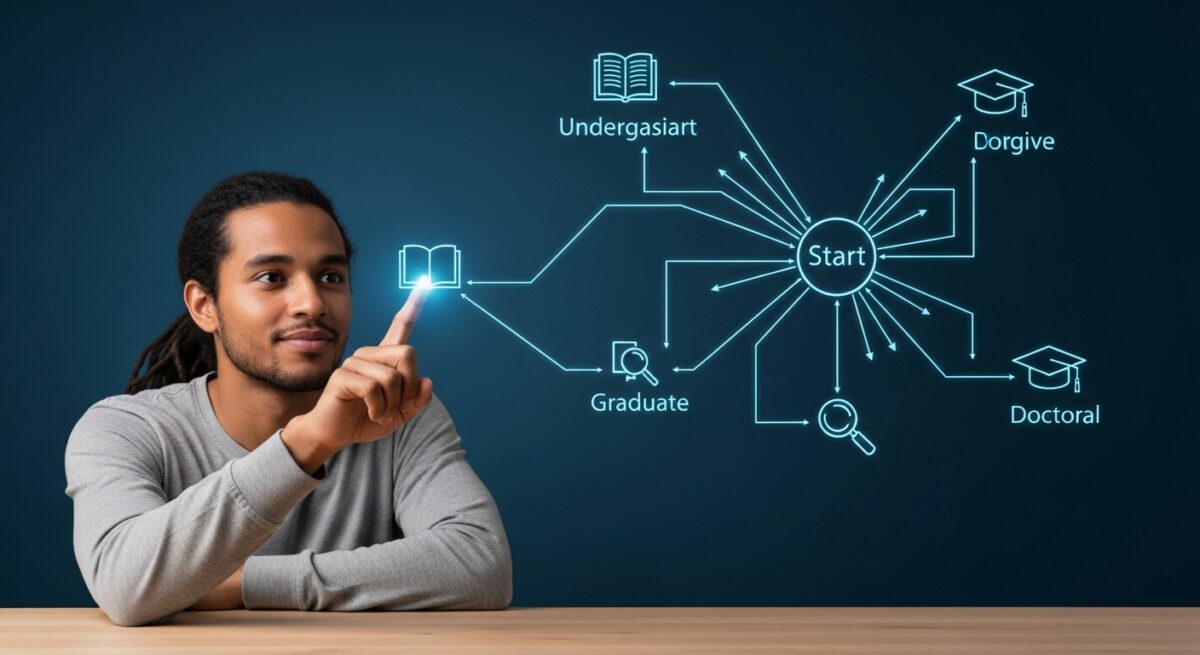
The structure of higher education qualifications is often visualized as a ladder, with each rung representing a deeper level of specialization and scholarly commitment. This framework is recognized globally, though specific titles and durations can vary by country. At the base are undergraduate qualifications, which provide broad foundational knowledge and core skills in a chosen field. Progressing upward, graduate degrees offer specialization, while doctoral programs focus on creating new knowledge through original research. Comprehending this hierarchy is essential for effective academic and career planning, ensuring you pursue the credentials that match your goals without unnecessary detours or gaps in preparation.
Undergraduate Foundations: Associate and Bachelor’s Degrees
Undergraduate studies serve as the gateway to higher education. The Associate Degree, typically a two-year program offered by community and technical colleges, provides career-ready skills or a transfer pathway to a four-year institution. It’s an excellent option for entering fields like nursing, information technology, or liberal arts before committing to a longer program. The Bachelor’s Degree is the cornerstone of undergraduate education. Usually requiring four years of full-time study, it delves deeply into a major subject while incorporating general education in the arts and sciences. This degree develops critical thinking, communication, and analytical skills, and it is a standard prerequisite for most professional careers and all advanced academic study. The rise of accredited online college degree programs has made obtaining a bachelor’s degree more accessible to working adults and non-traditional students.
Graduate-Level Specialization: Master’s and Doctoral Degrees
Graduate education is where focused expertise is forged. A Master’s Degree, which generally takes one to three years post-baccalaureate, allows for intense specialization within a discipline. Programs are often categorized as either academic (e.g., Master of Arts, Master of Science), which may emphasize research and theory, or professional (e.g., Master of Business Administration, Master of Social Work), which are designed to advance practical, career-specific competencies. Many professionals find that a master’s degree is key to unlocking senior-level positions and higher salary brackets.
The doctoral degree represents the pinnacle of academic achievement. The most common, the Doctor of Philosophy (Ph.D.), is awarded across numerous disciplines and is intensely research-focused, culminating in a dissertation that contributes original knowledge to the field. Professional doctorates, such as the Doctor of Education (Ed.D.) or Doctor of Business Administration (DBA), apply rigorous research to solve complex practical problems within a professional context. These programs require a significant investment of time, often four to seven years, and a high level of personal motivation. For those considering this path, exploring specific fields like a doctorate in education curriculum and instruction can provide clarity on specialized options and outcomes.
Alternative Credentials and Non-Degree Pathways
Not every valuable academic qualification is a traditional degree. The modern economy increasingly values shorter, skill-specific credentials that offer agility. Graduate Certificates and Diplomas are compact programs, often consisting of four to six courses, that provide targeted expertise in a niche area, such as data analytics, cybersecurity, or project management. They can serve as a stepping stone to a full master’s degree or as a standalone credential for career advancement. Professional Certifications, awarded by industry bodies rather than academic institutions, validate competency in a specific skill set (e.g., Certified Public Accountant, Project Management Professional). These are often essential for licensure in regulated fields. Additionally, massive open online courses (MOOCs), bootcamps, and micro-credentials offer flexible, low-commitment ways to acquire new skills or explore a subject. This ecosystem of alternative credentials complements traditional degrees, allowing for lifelong learning and continuous skill development, a trend central to the future of higher education.
Strategic Planning for Your Academic Journey
Selecting the right qualification requires introspection and research. A successful strategy moves beyond simply picking a subject you enjoy; it involves aligning your education with a clear vision for your life and career. Begin by conducting a self-assessment of your interests, strengths, values, and long-term aspirations. Next, research career fields that align with this assessment, paying close attention to the typical entry-level and advancement requirements. Investigate specific programs, scrutinizing their curriculum, faculty expertise, accreditation status, and delivery format (on-campus, online, or hybrid).
To systematically evaluate your options, consider the following key factors:
- Career Goals: Does the qualification meet the minimum education requirements for your target profession? Will it give you a competitive edge?
- Time and Financial Investment: Can you commit to the program’s duration? Have you explored funding options like scholarships, grants, or employer assistance?
- Learning Format and Lifestyle: Does an on-campus, online, or hybrid model best suit your learning style, work schedule, and family commitments?
- Institutional Reputation and Accreditation: Is the institution properly accredited? This is non-negotiable for ensuring quality and the transferability of credits.
- Return on Investment (ROI): Weigh the total cost against the potential career advancement and salary increase the qualification may enable.
After narrowing your choices, the practical steps of application begin. This process often involves gathering transcripts, securing letters of recommendation, writing a compelling statement of purpose, and preparing for standardized tests if required. It is highly advisable to connect with admissions counselors and, if possible, current students or alumni of the programs you are considering. For a broader perspective on available programs and how they stack up against each other, prospective students can compare college degree options through dedicated resources that provide side-by-side evaluations of curricula, costs, and outcomes.
Accreditation: The Cornerstone of Credible Qualifications
In any academic qualifications guide for higher education, accreditation merits its own emphatic discussion. Accreditation is a quality assurance process where an external body evaluates educational institutions and programs against established standards. It is the primary mechanism for ensuring that a degree or certificate holds value in the academic and professional worlds. There are two main types: institutional accreditation, which assesses the entire college or university, and programmatic accreditation, which evaluates specific departments or professional programs (e.g., engineering, business, nursing). Attending an accredited institution is crucial for the transferability of credits, eligibility for federal financial aid, and recognition by employers and other universities. Always verify a school’s accreditation status through official databases before enrolling.
Your academic journey is a profound investment in yourself. By using this academic qualifications guide as a roadmap, you can move forward with confidence, making informed choices that bridge your present capabilities with your future aspirations. The landscape of higher education is rich with opportunity, designed to accommodate diverse goals and life circumstances. With careful planning and a clear understanding of the qualifications available, you can chart a course that leads not just to a credential, but to meaningful personal and professional transformation.