
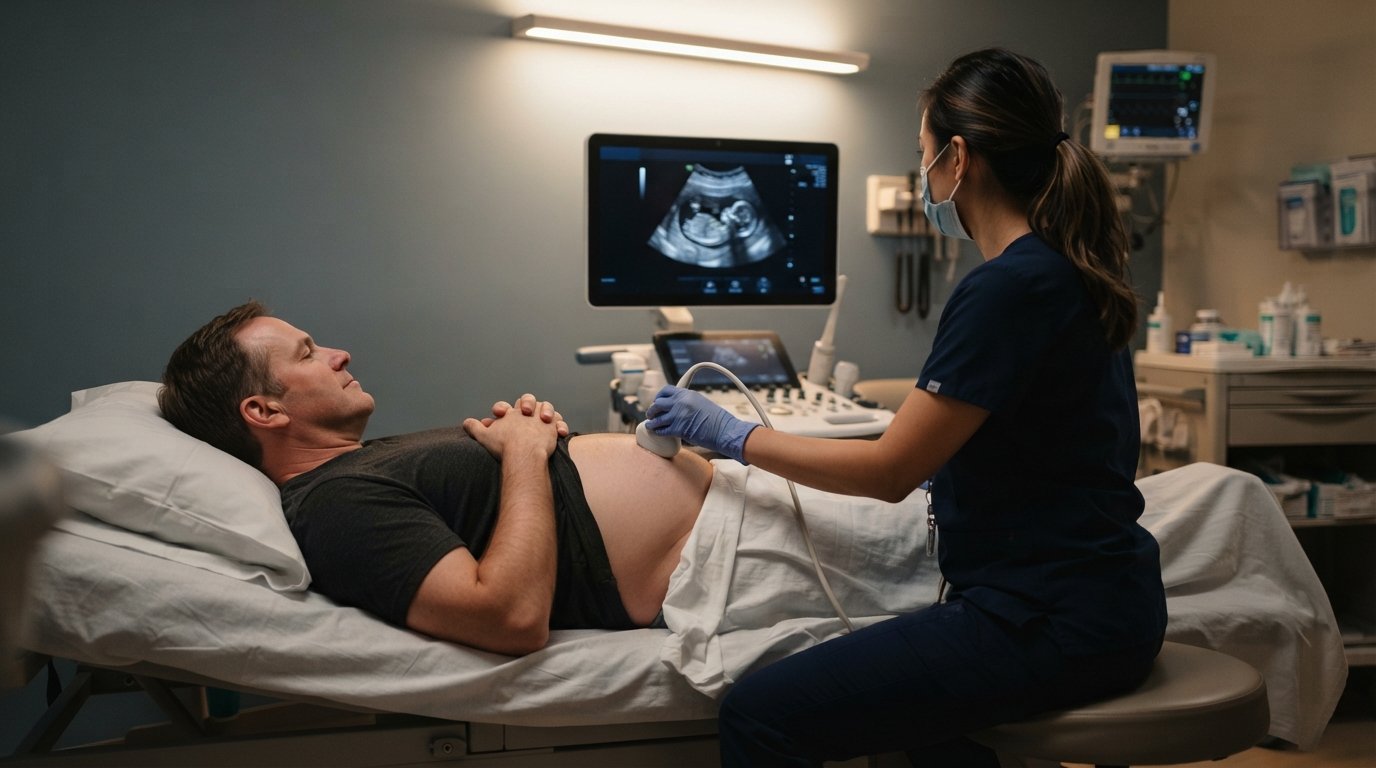
2-Year Ultrasound Tech Degree: Baptist Health Sonography
Earn your Diagnostic Medical Sonography Associate's degree in just 2 years at Baptist Health System School of Health Professions.
By Scott Thompson
Imagine a career where you play a critical role in patient diagnosis without performing invasive procedures. Diagnostic medical sonography offers exactly that, blending advanced technology with direct patient care. For those seeking a fast-track path into this rewarding healthcare field, the Diagnostic Medical Sonography/Sonographer and Ultrasound Technician Associate's degree, usually 2 years In-person at Baptist Health System School of Health Professions, stands out as a focused and practical option. This program equips you with the technical skills and clinical experience needed to become a vital member of any medical imaging team, often in less time than a traditional four-year degree.
Why Choose an Associate Degree in Diagnostic Medical Sonography?
An associate degree serves as the standard educational pathway for aspiring sonographers, and for good reason. Unlike longer programs, this two-year track gets you into the workforce quickly, addressing the immediate demand for skilled professionals. Baptist Health System School of Health Professions designs its curriculum to balance rigorous classroom instruction with extensive hands-on clinical training, ensuring that graduates are job-ready from day one. In the fast-paced environment of medical imaging, practical competency is everything, and this program prioritizes that from the very first semester.
Furthermore, an associate degree offers a strong return on investment. You will spend significantly less on tuition compared to a bachelor's program, allowing you to enter the field with less student debt. This financial advantage is crucial for many students who wish to start earning a competitive salary sooner. According to the U.S. Bureau of Labor Statistics, the median annual wage for diagnostic medical sonographers was over $80,000 in 2023, making this a lucrative and stable career choice. With experience, many sonographers pursue advanced certifications in specialties like cardiac or vascular sonography, which can lead to even higher earning potential.
Here are some key reasons why this two-year pathway is a smart strategic move:
- Accelerated Entry: You can become a certified sonographer and start your career in just two years.
- Cost-Effective: Associate programs typically have lower total tuition costs than bachelor's degrees.
- High Demand: The healthcare industry consistently needs qualified sonographers, offering strong job security.
- Specialization Opportunities: An associate degree provides a solid foundation for further specialization in areas like echocardiography or neurosonology.
- Direct Patient Interaction: You will work closely with patients, explaining procedures and ensuring their comfort, which is both professionally and personally satisfying.
Choosing this path not only saves you time and money but also places you at the forefront of diagnostic medicine. The skills you acquire in a program like the one at Baptist Health System are directly applicable to saving lives and improving patient outcomes every single day.
What to Expect from the Baptist Health System Program
The Diagnostic Medical Sonography/Sonographer and Ultrasound Technician Associate's degree, usually 2 years In-person at Baptist Health System School of Health Professions, is structured to provide a deep, immersive educational experience. The curriculum begins with foundational sciences, such as anatomy, physiology, and physics, which are essential for understanding how ultrasound technology works and how the human body appears on a screen. As you progress, you will dive into specialized coursework covering abdominal, obstetric, gynecologic, and vascular sonography, learning to capture and interpret the detailed images that guide physicians.
The in-person format is a significant advantage. You will have direct access to experienced faculty members who are often practicing professionals with years of real-world expertise. They can provide immediate feedback on your scanning techniques, which is invaluable in a skill-based field like sonography. Moreover, you will learn to operate state-of-the-art ultrasound equipment within the Baptist Health System network, giving you familiarity with the tools you will likely use in your future career. The program's clinical rotations place you in actual hospitals and imaging centers, where you will work with real patients under the supervision of seasoned preceptors. This experience not only hones your technical abilities but also teaches you crucial soft skills like bedside manner, teamwork, and professional communication.
Accreditation is another cornerstone of this program. Graduating from a program accredited by the Commission on Accreditation of Allied Health Education Programs (CAAHEP) is often a prerequisite for taking the American Registry for Diagnostic Medical Sonography (ARDMS) certification exams. Baptist Health System School of Health Professions maintains these rigorous standards, ensuring your degree carries weight with employers and that you are fully prepared to become a registered sonographer.
Career Paths and Advancement with This Degree
Once you earn your associate degree and pass your board exams, a world of career opportunities opens up. Most sonographers find employment in hospitals, but you will also discover roles in outpatient diagnostic imaging centers, physician's offices, and even mobile imaging services. Your expertise in producing high-quality images will make you an essential part of the diagnostic team, helping physicians identify conditions ranging from gallstones to fetal development to blood clots.
While the associate degree is your entry ticket, it is by no means a dead end. Many professionals choose to pursue a Bachelor of Science in Diagnostic Medical Sonography or a related healthcare field later in their careers, often with tuition reimbursement from their employers. This advanced degree can lead to roles in management, education, or research. Alternatively, you can specialize further by obtaining additional certifications. For example, becoming a Registered Vascular Technologist (RVT) or a Registered Diagnostic Cardiac Sonographer (RDCS) allows you to focus on specific areas of the body, often commanding higher salaries and greater job responsibility.
Career advancement is not just about higher pay; it is also about deepening your impact. As you gain experience, you may be called upon to train new sonographers, lead quality improvement initiatives, or even serve as a department lead. The foundational training you receive from the in-person program at Baptist Health System is designed to support all these long-term professional aspirations. For more detailed information on how different educational paths compare, you can explore resources like CollegeDegrees.School, which offers comprehensive guidance on degree planning and career outcomes.
Is In-Person Learning Right for You?
The decision to pursue an in-person degree is a significant one, especially when online options are increasingly common. However, for a field as hands-on as diagnostic medical sonography, the in-person model at Baptist Health System is not just beneficial; it is necessary. You must physically perform ultrasound scans, manipulate the transducer to find proper acoustic windows, and learn the subtle hand-eye coordination that the job demands. These skills cannot be effectively taught through a screen. The in-person environment also provides immediate, face-to-face feedback from instructors, allowing you to correct mistakes in real-time and refine your technique much faster.
Moreover, the clinical rotations that are integral to this associate degree require physical presence in a medical setting. You cannot complete a hospital rotation virtually. Therefore, choosing a program with established clinical partnerships, like the one at Baptist Health System, is crucial for ensuring you receive high-quality, varied clinical experiences. The structured schedule and in-person classroom dynamics also foster a sense of community and camaraderie among students, which can be a powerful support network during the demanding two years of study.
If you are someone who thrives on direct interaction, learns best by doing, and wants to build professional relationships with both peers and mentors, then an in-person program is an excellent fit. It offers a level of immersion and practical training that is unmatched, setting you up for a successful and fulfilling career from the moment you graduate.
Admission Requirements and Next Steps
Getting started on this path requires meeting specific prerequisites. Generally, you will need a high school diploma or GED. Many programs, including those at Baptist Health System, also require completion of prerequisite college courses in subjects like anatomy, physiology, and medical terminology, often with a minimum grade point average. Some programs may also require a background check and proof of immunizations before you begin clinical rotations. It is essential to review the exact admission requirements on the Baptist Health System School of Health Professions website or contact their admissions office directly to ensure you meet all criteria.
Once accepted, you will embark on a rigorous yet rewarding journey. The curriculum is demanding, requiring good study habits and dedication, but the support from faculty and peers helps ensure your success. You will learn not only how to perform scans but also how to analyze images, document findings, and interact compassionately with patients who may be anxious or in pain. These holistic skills make you a well-rounded healthcare professional, ready to contribute to any medical team.
If you are ready to take the next step toward a dynamic and meaningful healthcare career, researching the specific program at Baptist Health System is your immediate priority. Look into financial aid options, talk to program advisors, and if possible, visit the campus to get a feel for the learning environment. The decision to invest two years in an in-person education is an investment in your future, one that promises a stable, rewarding, and well-compensated career in the ever-evolving field of diagnostic medicine.
Securing your spot in a competitive program requires early preparation. Beyond meeting the basic prerequisites, you should focus on building a strong academic record and gaining any relevant volunteer or work experience in a healthcare setting. This not only strengthens your application but also confirms your interest in the field. Once you decide, the journey through this accelerated program will be intense, but the payoff is a profession where you make a real difference in people's lives daily. As you evaluate your options, remember to use trusted resources to compare programs and understand the career landscape, ensuring that your educational path, such as the one offered at Baptist Health System, aligns perfectly with your professional goals.